
Green Lithium v White Oil: Cleaning Up The EV Future
Mining investment news, insights, and company profiles
Subscribe
About
121 Mining Investment
  • Home
  • News
    • All News
    • Gold
    • Silver
    • Copper
    • Nickel
    • Lithium
    • Precious Metals
    • Base Metals
    • Battery Metals
    • Exploration
    • Development
    • Production
  • Analysis
  • Explainers
  • Company Profiles
  • Assay TV
    • CEO Interviews
    • Mining Masters: Inside Investment Strategies
    • Investor Panels & Presentations
  • Magazine
  • Contribute
  • The Assay Podcast
  • Home
  • News
    • All News
    • Gold
    • Silver
    • Copper
    • Nickel
    • Lithium
    • Precious Metals
    • Base Metals
    • Battery Metals
    • Exploration
    • Development
    • Production
  • Analysis
  • Explainers
  • Company Profiles
  • Assay TV
    • CEO Interviews
    • Mining Masters: Inside Investment Strategies
    • Investor Panels & Presentations
  • Magazine
  • Contribute
  • The Assay Podcast
No Result
View All Result
Subscribe
The Assay - Mining investment news, insights and company profiles
No Result
View All Result
Home Articles Feature Story

Green Lithium v White Oil: Cleaning Up The EV Future

Colin Sandell-Hay, Contributor - The AssaybyColin Sandell-Hay, Contributor - The Assay
15 September, 2021
in Feature Story
Green Lithium v White Oil: Cleaning Up The EV Future

Electric vehicles (EVs) are being heralded as catalysts for a vastly cleaner future via the vast reduction of pollutants produced by hydrocarbon burning automobiles.

Lithium (known in some spaces as “white oil”) is seen as a key ingredient in the makeup of the rechargeable batteries that will power EVs and keep them running.

With EV production and their acquisition growing at a dramatic rate across the globe, lithium stocks are soaring – as are prices and the rush to find new resources develop new production.

However, there are those who consider EVs – and lithium production in particular – as not such a “clean green” answer to the energy equation.

They point to the requirement to use electricity – often created by hydrocarbon burning power stations – to recharge the EVs. They also note that the plants used in lithium production may also use vast amounts of electricity.

However, the biggest environmental concern is the methods used in mining lithium.

Governments and, in particular, environmentalists are looking at potential bans on the extraction of lithium from brine in South America, where the “Lithium Triangle” area is one of the world’s leading lithium-producing regions.

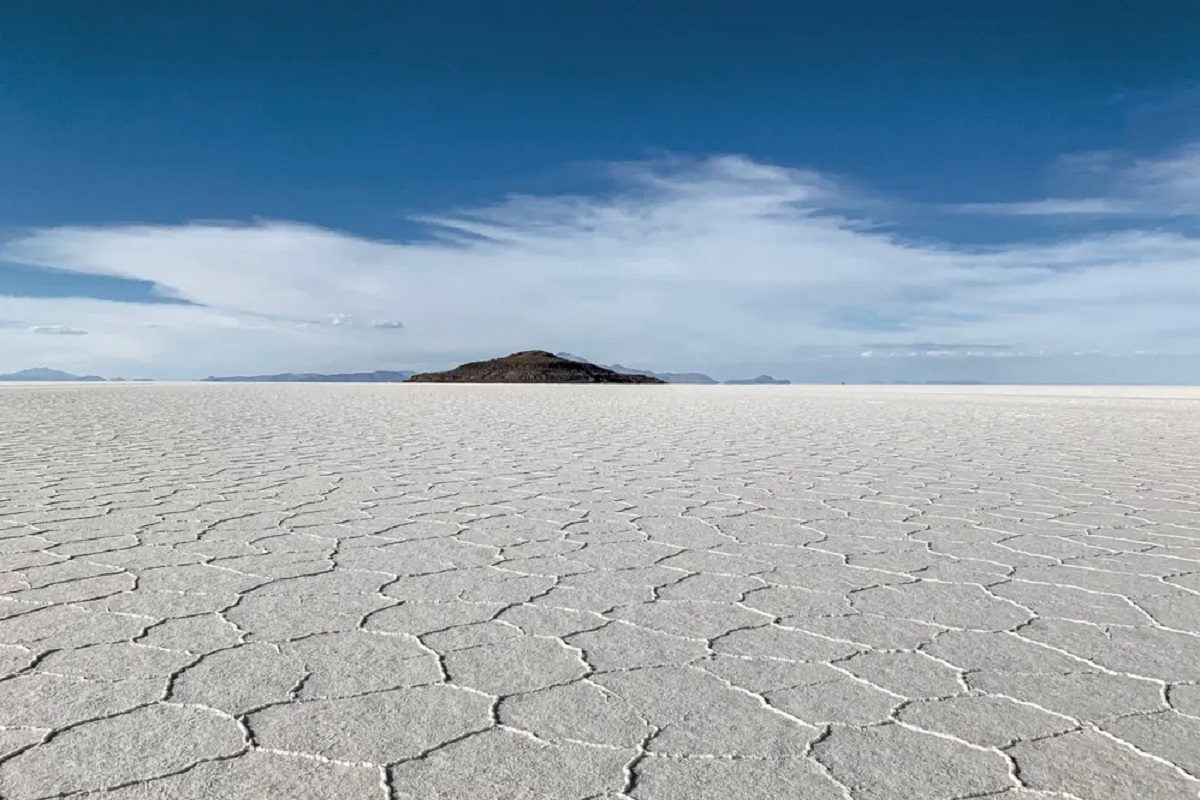
The extraction of brine lithium requires miners to drill holes in the salt flats and pump the salty, mineral-rich brine to the surface, leaving it to evaporate in huge artificial lakes or ponds.

This process reportedly uses close to two million litres of water for each tonne of lithium produced. The anti-brine-mining brigade says that level of water consumption has a significant impact on the surrounding ecosystems and populations.

There are also claims that there is the potential for toxic substances to leak from any unsealed evaporation ponds into the surrounding water supply.

The ‘clean green lithium’ race

The level of concern surrounding “dirty lithium” has led to a global race to develop “clean green lithium”, which the successful producers hope will provide them with a premium product with associated premium prices and market demand.

Lake Resources

Self-titled “clean lithium” developer, Lake Resources NL (ASX: LKE | OTC: LLKKF) claims it is on track to produce “the world’s cleanest lithium”.

Lake Resources, which is on track to develop the Kachi Lithium project in Argentina – within the Lithium Triangle – says its “Lilac” direct lithium extraction technology will use vastly less water, less CO2 and less land – leaving a much smaller environmental footprint.

Supported by the Bill Gates-led Breakthrough Energy Fund and MIT’s The Engine Fund, the Lilac Solutions developed technology utilizes unique ion exchange beads, together with a continuous brine processing system, to enable a simple and robust process yielding concentrated high-purity lithium solutions from a wide variety of resources.
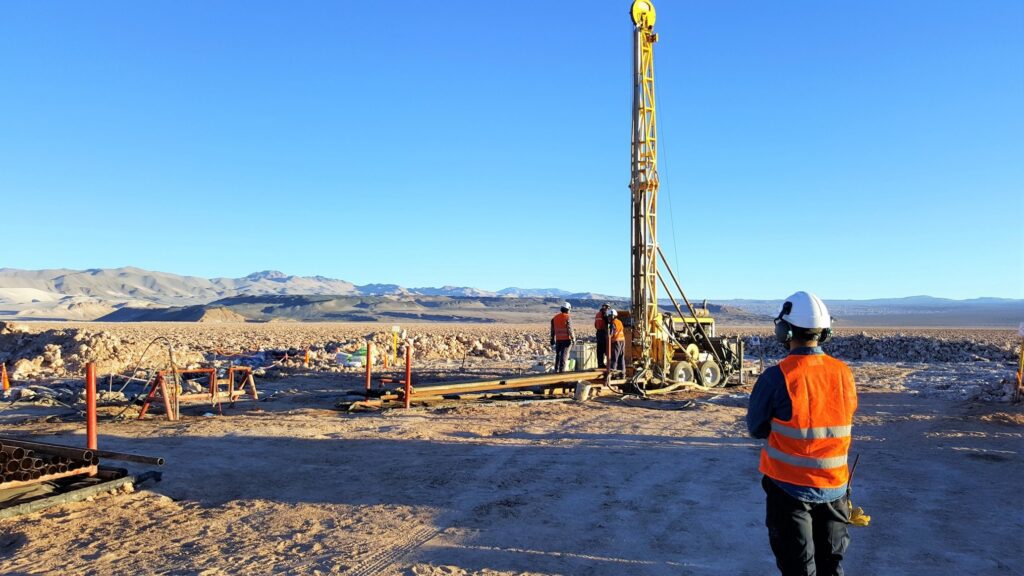
Green Lithium v White Oil: Cleaning Up The EV Future
Lake Resources says it is on-track to produce the world’s cleanest lithium. (Image credit: Lake Resources)

The Lake Resources plan recently gained another tick of approval when it received a formal Expression of Interest (EOI) from the United Kingdom’s official Export Credit Agency (ECA), UK Export Finance (UKEF), to cover approximately 70% of the total Kachi project development funding requirements.

According to Lake Resources, the funding offer reflects the Kachi Project’s significant Environmental, Social and Governance (ESG) benefits for key stakeholders, including the local community and the global clean energy drive towards net zero emissions.

Vulcan Energy

Over in Europe, Vulcan Energy Resources Ltd (ASX: VUL) has declared it is aiming to become the world’s first lithium producer with net-zero greenhouse gas emissions.

The company says its Zero Carbon Lithium™ Project intends to produce a battery-quality lithium hydroxide chemical product from its combined geothermal energy and lithium resource in Germany, which it claims is Europe’s largest lithium resource.

Vulcan’s trademarked project aims to produce both renewable geothermal energy and lithium hydroxide from the same deep brine source.

In doing so, the company says it intends to address lithium’s EU market requirements by reducing the high carbon and water footprint of production, and a total reliance on imports.

According to Vulcan Energy, the current main pathway for producing and refining lithium, from hard-rock mines, would emit approximately 1.05B tonnes of CO2 to produce the quantity of lithium required to electrify all the world’s passenger vehicles – if the industry went down that path.

Vulcan Energy says its Zero Carbon Lithium™ business will incur virtually zero disruption to communities or the environment, with no large open pit mines, no large evaporation ponds, or process plants running on fossil fuels.

Vulcan’s process draws on naturally occurring, renewable geothermal energy to power the lithium extraction process which uses no fossil fuels, requires very little water and has a tiny land footprint.

The company has already attracted the attention of one major car maker, the Renault Group – a pioneer in the European EV market, signing a lithium offtake term sheet for an initial five-year term.

The Renault Group has agreed to purchase between 6,000 to 17,000 metric tonnes per year of battery grade lithium chemicals produced in Germany by Vulcan Energy.

Renault Group, which has set a target of achieving carbon neutrality worldwide in 2050, continues to accelerate its EV strategy to reach the greenest mix in the European market in 2025, with over 65% of electric and electrified vehicles in the sales mix, and up to 90% battery electric vehicles mix in 2030.

Vulcan says its battery-quality, lithium chemical product will help the Renault Group avoid from 300 to 700kg of CO2 production for each 50kWh battery.

“It is important that we work with companies who share our ethos on sustainability. Renault Group is a pioneer in the EV space, with the successful introduction of truly affordable, mass market models,” Vulcan Energy’s managing director, Dr Francis Wedin, said.

“Perhaps most importantly, the number one pillar of Renault’s strategy is ‘Carbon neutrality – Green as a business’, with a commitment to producing carbon-free batteries and becoming carbon neutral. We look forward to a long and productive relationship between Vulcan and Renault going forward.”

Battery Recycling

While some companies are targeting cleaner mining opportunities, others believe there is another option which can remove the mining equation.

Lithium Australia

Lithium Australia NL (ASX: LIT) has patented or is in the process of patenting its IP on a range of battery recycling options.

The company believes there is an ethical and commercial opportunity to supply energy metals to the battery industry by creating a circular battery economy that enhances both sustainability and resource security.

The reprocessing of spent lithium-ion batteries to create new ones is intrinsic to this plan, with the company operating Australia’s only fully integrated mixed-battery recycling business.

Having rationalized its portfolio of lithium projects/alliances, Lithium Australia is also researching the development of proprietary extraction processes for the conversion of alllithium silicates (including mine waste), and of fines generally discarded during conventional spodumene conversion, to lithium chemicals, from which it will produce advanced cathode materials for the battery industry globally.

The company’s progress has been recognized by the Australian federal government through the awarding of substantial research grants designed to progress the nation’s advanced battery capabilities.

Tags: ASX:LITASX:LKEasx:vulBattery MaterialsBattery MetalsEVsLithium
TweetShareSend
Previous Post

Gold Road Heading Down The Right Path

Next Post

Lode Resources Kicks Off Drilling At Webbs Consol Silver Project

Related Posts

EV Sales Rebound Lifts Outlook for Battery Metals
Articles

EV Sales Rebound Lifts Outlook for Battery Metals

byThe Assay
14 April, 2026
Lion Rock Resources Updates on Ongoing Work at Volney Project in South Dakota
Exploration

Lion Rock Resources Completes Phase 1 Drill Program at Volney Project, South Dakota

byThe Assay
23 January, 2026
European Lithium Reports High-Grade Rare Earth Assays from Tanbreez Project
Drilling Results

European Lithium Reports High-Grade Rare Earth Assays from Tanbreez Project

byEleanor Laurence - Content Producer, The Assay
9 September, 2025
Century Lithium Reports 99.5% Lithium Carbonate at Pilot Plant
Development

Century Lithium Validates Battery-Grade Lithium Metal Anode Production from Angel Island Carbonate

byEleanor Laurence - Content Producer, The Assay
22 July, 2025
Century Lithium Reports 99.5% Lithium Carbonate at Pilot Plant
Development

Century Lithium Commends First Phosphate’s Breakthrough in LFP Cell Production

byEleanor Laurence - Content Producer, The Assay
10 July, 2025
Nippon Steel Completes US$14.9B Acquisition of US Steel with US Government Oversight #2
Feature Story

US Confirms US$550M Support for Angola’s Lobito Rail Corridor Despite Budget Concerns

byEleanor Laurence - Content Producer, The Assay
27 June, 2025
Next Post
Lode Resources Kicks Off Drilling At Webbs Consol Silver Project

Lode Resources Kicks Off Drilling At Webbs Consol Silver Project

ADVERTISEMENT

Popular Articles

  • Argonaut Gold and Alio Gold Complete Merger

    Argonaut Gold and Alio Gold Complete Merger

    0 shares
    Share 0 Tweet 0
  • Critical Metals Advances Tanbreez Project with Infrastructure and Drilling Progress

    0 shares
    Share 0 Tweet 0
  • Sulphuric Acid Shortage Drives Up Costs Across Critical Minerals Sector

    0 shares
    Share 0 Tweet 0
  • What is Strip Mining?

    0 shares
    Share 0 Tweet 0
  • The Assay Guide to Iron Ore

    0 shares
    Share 0 Tweet 0
  • Home
  • News
  • Analysis
  • Investor Discussions
  • CEO Interviews
  • Mining Masters: Inside Investment Strategies
  • Company Profiles
  • Newsletter
  • Magazine
  • #783 (no title)
  • Contact Us
Hyve logo

Please note: This Web site and The Assay magazine and the information and materials on this Web site and in The Assay magazine are not, and should not be construed as, an offer to buy or sell, or as a solicitation of an offer to buy or sell, any regulated products, securities or investments. This Web site and The Assay Magazine do not, and should not be construed as acting to, sponsor, advocate, endorse or promote any regulated products, securities or investments. This Web site and The Assay magazine and the information and materials on this Web site and in The Assay magazine do not, and shall not be construed as, making any recommendation or providing any investment or other advice with respect to the purchase, sale or other disposition of any regulated products, securities or investments, including, without limitation, any advice to the effect that any mining or metals related transaction is appropriate or suitable for any investment objective or financial situation of a prospective investor. A decision to invest in any regulated products, securities or investments should not be made in reliance on any of the information or materials on this Web site or in The Assay magazine. Before making any investment decision, prospective investors should seek advice from appropriately qualified and licensed financial, legal, tax and accounting advisers, take into account their individual financial needs and circumstances and carefully consider the risks associated with such investment decision.

Privacy Notice
Cookies
Hong Kong Residents Privacy Statement

© 2026 The Assay

No Result
View All Result
  • Home
  • News
    • All News
    • Gold
    • Silver
    • Copper
    • Nickel
    • Lithium
    • Precious Metals
    • Base Metals
    • Battery Metals
    • Exploration
    • Development
    • Production
  • Analysis
  • Explainers
  • Company Profiles
  • Assay TV
    • CEO Interviews
    • Mining Masters: Inside Investment Strategies
    • Investor Panels & Presentations
  • Magazine
  • Contribute
  • #82967 (no title)

Please note: This Web site and The Assay magazine and the information and materials on this Web site and in The Assay magazine are not, and should not be construed as, an offer to buy or sell, or as a solicitation of an offer to buy or sell, any regulated products, securities or investments. This Web site and The Assay Magazine do not, and should not be construed as acting to, sponsor, advocate, endorse or promote any regulated products, securities or investments. This Web site and The Assay magazine and the information and materials on this Web site and in The Assay magazine do not, and shall not be construed as, making any recommendation or providing any investment or other advice with respect to the purchase, sale or other disposition of any regulated products, securities or investments, including, without limitation, any advice to the effect that any mining or metals related transaction is appropriate or suitable for any investment objective or financial situation of a prospective investor. A decision to invest in any regulated products, securities or investments should not be made in reliance on any of the information or materials on this Web site or in The Assay magazine. Before making any investment decision, prospective investors should seek advice from appropriately qualified and licensed financial, legal, tax and accounting advisers, take into account their individual financial needs and circumstances and carefully consider the risks associated with such investment decision.

Privacy Notice
Cookies
Hong Kong Residents Privacy Statement

© 2026 The Assay